Budget Management: 10 Practical Tips to Save $500+ Monthly

Budget Management Mastery: 10 Practical Tips to Save $500+ Every Month
Taking control of your finances starts with effective budget management. These ten practical strategies will help you track expenses, eliminate wasteful spending, and save hundreds of dollars monthly without drastically reducing your quality of life.
1. The 50-30-20 Budgeting Framework
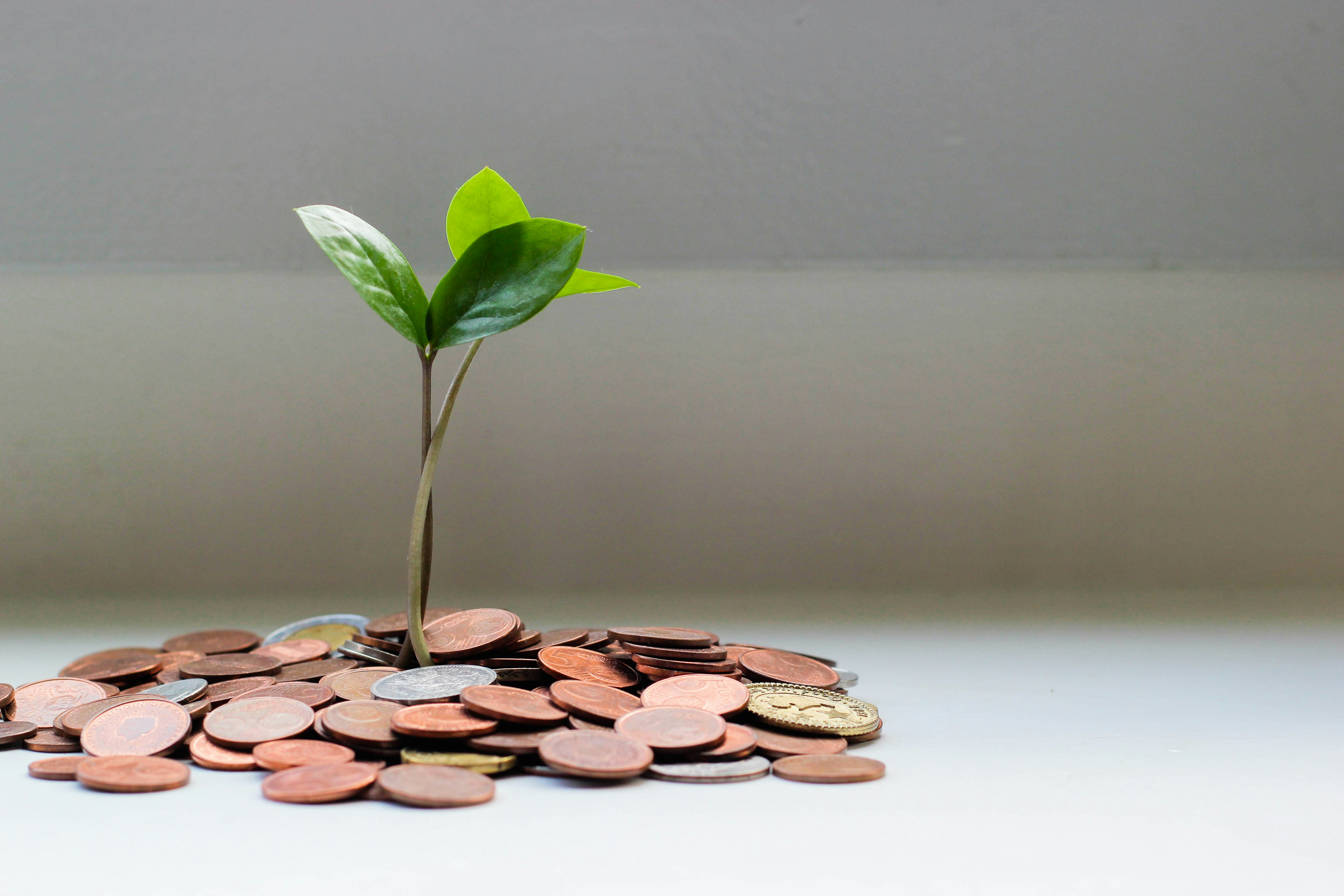
The 50-30-20 rule simplifies budget management by dividing after-tax income into three straightforward categories: 50% for needs, 30% for wants, and 20% for savings and debt repayment. This framework provides structure while maintaining flexibility for individual circumstances.
How to apply the 50-30-20 rule:
- 50% Needs: Housing, utilities, groceries, transportation, insurance, minimum debt payments
- 30% Wants: Dining out, entertainment, hobbies, subscriptions, vacations, shopping
- 20% Savings: Emergency fund, retirement contributions, investment accounts, extra debt payments
For example, someone earning $4,000 monthly after taxes allocates $2,000 to essentials, $1,200 to discretionary spending, and $800 to savings or debt elimination. The beauty lies in its flexibility—adjust percentages based on individual circumstances like high-cost living areas (60-25-15) or aggressive debt payoff goals (50-20-30).
Financial experts consider this method ideal for beginners lacking complex budgeting experience. Automate these allocations through direct deposit splits with your employer, making budgeting effortless and removing temptation to overspend discretionary funds.
2. Zero-Based Budgeting Technique

Zero-based budgeting assigns every dollar a specific purpose before the month begins, ensuring income minus expenses equals zero. This proactive approach prevents aimless spending on undefined categories and creates intentional financial decisions.
Implementation steps for zero-based budgeting:
- List all monthly income sources (salary, side hustles, passive income)
- Allocate funds to fixed expenses (rent/mortgage, car payment, insurance)
- Budget for variable costs (groceries, gas, utilities with seasonal fluctuations)
- Assign remaining dollars to financial goals (emergency fund, investments, debt payoff)
- Every dollar should have a designated category—nothing left "unassigned"
This method forces intentional spending decisions and reveals budget leaks quickly. Users report 15-20% spending reductions within three months of implementation as awareness of money flow increases dramatically.
Free tools facilitating zero-based budgeting include EveryDollar, YNAB (You Need A Budget), or simple Excel/Google Sheets templates. The discipline cultivated through monthly planning transforms financial behavior permanently.
3. Comprehensive Expense Tracking and Analysis
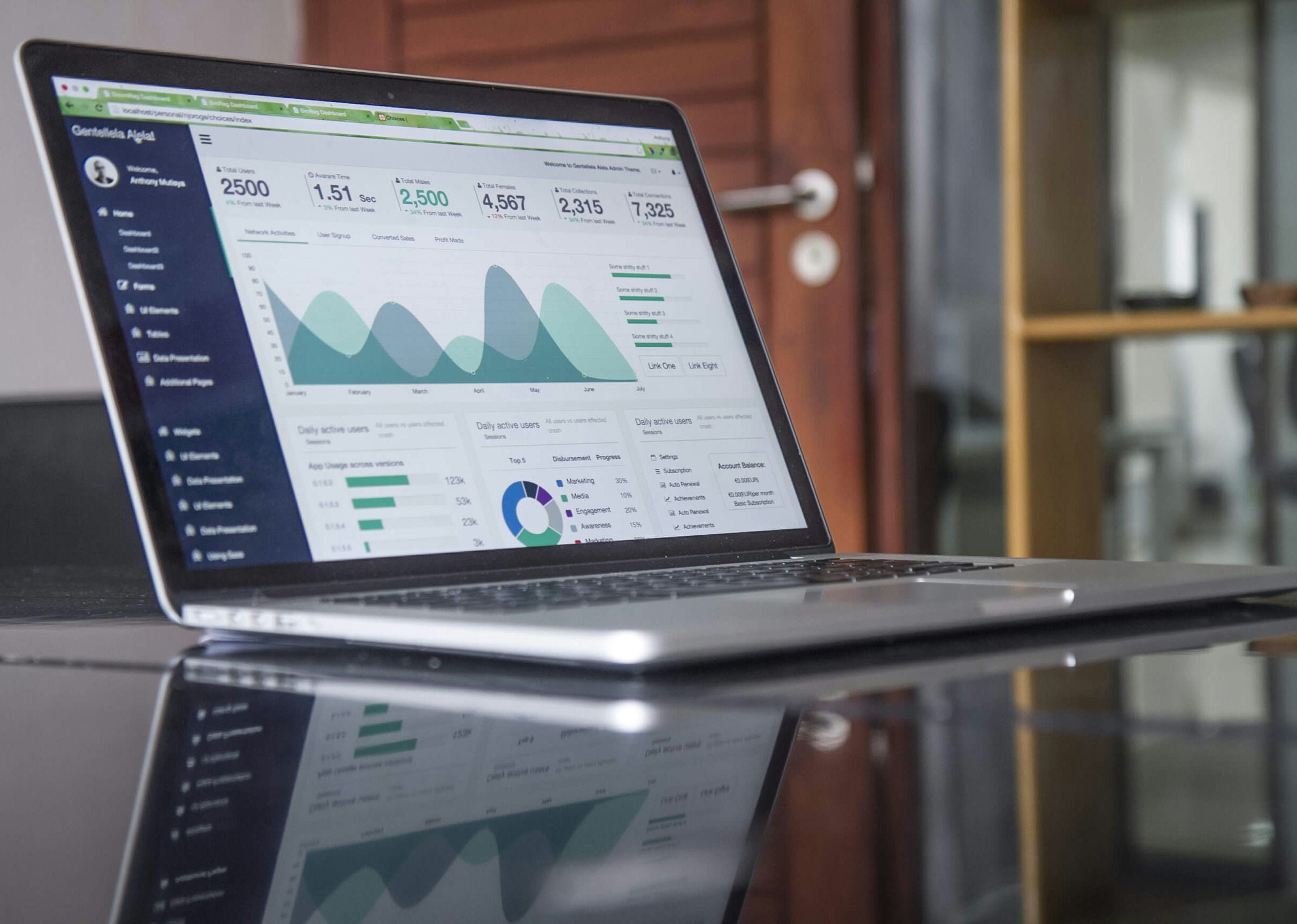
Tracking every expense provides shocking insights into actual spending patterns versus perceived spending. Most people significantly underestimate monthly expenses, particularly in categories like dining out, subscriptions, and impulse purchases.
Use apps like Mint, Personal Capital, or PocketGuard that automatically categorize transactions by connecting to bank accounts and credit cards. After one month of tracking, analyze where money actually goes—results often surprise even financially conscious individuals.
Common discoveries from expense tracking:
- $150-200 monthly on coffee shops ($5 daily × 30 days = $1,800 annually)
- $100-150 on forgotten subscription services
- $200-400 on excessive dining out or food delivery
- $75-125 on impulse online shopping
That $150 monthly coffee habit invested at 8% returns becomes $28,000 in 10 years—visualizing long-term opportunity costs motivates behavior change. Categories showing highest overspending become optimization targets for immediate savings.
4. Automated Savings Systems

Automation removes willpower from the savings equation by transferring money to savings accounts before you see it. This "pay yourself first" strategy treats savings as non-negotiable expenses, dramatically increasing success rates.
Set up automatic transfers on payday:
- Direct deposit 20% straight to high-yield savings accounts
- Another 10-15% to investment/retirement accounts
- Remainder to checking for monthly expenses
Banks like Ally, Marcus by Goldman Sachs, or Discover offer automatic transfer scheduling and high-yield accounts earning 4-5% interest in 2025, making your emergency fund grow passively.
Behavioral economics research confirms people save 15 times more when contributions are automated versus manual transfers requiring repeated willpower. Start small if necessary—even $25 weekly grows to $1,300 annually plus interest.
5. The 30-Day Rule for Impulse Purchases

Combat impulse buying with the 30-day waiting period for non-essential purchases over $50. Add desired items to online shopping carts or wishlists, then wait 30 days before purchasing. This cooling-off period allows rational evaluation rather than emotional decision-making.
Studies show 70% of impulse purchase desires fade within two weeks, preventing hundreds in wasteful spending monthly. The rule particularly combats online shopping triggered by targeted ads, flash sales, and FOMO (fear of missing out) marketing tactics.
Questions to ask during the 30-day period:
- Do I really need this, or just want it temporarily?
- Can I afford it within this month's budget without compromising goals?
- Is there a cheaper alternative that serves the same purpose?
- Will I still want this in 30 days, or is it momentary desire?
This strategy saved average users $2,400 annually according to personal finance surveys conducted in 2024.
6. Strategic Meal Planning and Grocery Optimization

Food expenses typically consume 10-15% of household budgets, making them prime optimization targets. Strategic meal planning reduces food waste, prevents expensive takeout, and cuts grocery bills by 25-30% while often improving nutritional quality.
Effective meal planning strategy:
- Dedicate Sunday to planning the week's meals (breakfast, lunch, dinner, snacks)
- Create shopping lists with needed ingredients only—avoid "browsing" aisles
- Batch-prep components (rice, grilled chicken, chopped vegetables) for quick assembly
- Check pantry/refrigerator before shopping to avoid duplicate purchases
- Plan meals using overlapping ingredients to minimize waste
Cooking at home costs $4-5 per meal versus $12-15 for takeout or restaurant dining. A family of four potentially saves $400-600 monthly through strategic meal planning and grocery shopping, totaling $4,800-7,200 annually.
7. Subscription Audit and Elimination

Americans spend an average of $273 monthly on subscriptions yet underestimate their total by 42% according to 2024 research. Subscription creep—gradually accumulating recurring charges—silently drains budgets without providing equivalent value.
Conduct quarterly subscription audits listing all recurring charges:
- Streaming services (Netflix, Hulu, Disney+, HBO Max, Apple TV+)
- Music streaming (Spotify, Apple Music, Amazon Music)
- Gym memberships and fitness apps
- Software subscriptions (Adobe Creative Cloud, Microsoft 365)
- Meal kit services (HelloFresh, Blue Apron)
- Forgotten free trials converted to paid
Subscription creep easily costs $100-200 monthly; eliminating half saves $600-1,200 annually.
8. Energy Efficiency and Utility Savings

Reducing utility costs saves hundreds annually while benefiting the environment. Simple behavioral changes and modest investments in energy-efficient technology compound into significant long-term savings.
High-impact energy saving strategies:
- LED bulbs: Reduce energy consumption by 75% compared to incandescent—savings of $75-100 annually
- Programmable thermostats: Lower heating/cooling costs 10-30% ($180 annual savings)
- Unplug electronics: Phantom power consumption costs typical households $100-200 yearly
- Cold water laundry: 90% of washing machine energy heats water—cold washing saves $60-100 annually
9. Cashback and Rewards Optimization

Strategic credit card use generates 2-5% cashback on purchases you're making anyway—essentially free money for responsible users who pay balances in full monthly avoiding interest charges.
Top cashback credit cards for 2025:
- Chase Freedom Unlimited: 1.5% on everything, 5% on rotating quarterly categories
- Citi Double Cash: 2% cashback on all purchases
- American Express Blue Cash Preferred: 6% groceries, 3% gas/transit
- Discover it Cash Back: 5% rotating categories, unlimited 1% on other purchases
Responsible credit card rewards users earn $500-1,500 annually in cashback, points, or miles without spending beyond their budgets.
10. Low-Cost Entertainment Alternatives

Entertainment doesn't require expensive outings—countless free or low-cost alternatives provide equal or greater enjoyment while saving hundreds monthly.
Free and low-cost entertainment ideas:
- Public libraries: Free books, movies, magazines, audiobooks, community events
- Outdoor activities: Local parks, hiking trails, beaches, bird watching
- Community events: Free concerts, festivals, farmers markets, art walks
- Home entertainment: Board game nights, potluck dinners, movie marathons
- Museum free days: Most museums offer one free weekday monthly
Embracing low-cost entertainment saves $200-400 monthly while often providing more meaningful experiences than expensive alternatives.

Comments
Post a Comment